

Diabetes is one of the most common chronic health conditions worldwide, affecting millions of people across different age groups. Yet many people still do not fully understand the difference between Type 1 and Type 2 diabetes.
Although both conditions affect how the body regulates blood sugar (glucose), they have different causes, risk factors, treatments, and management approaches. Understanding these differences is important for early diagnosis, proper treatment, and long-term health management.
In this guide, we explain the key differences between Type 1 vs Type 2 diabetes, common symptoms, risk factors, treatment options, and why regular glucose monitoring matters.
What Is Diabetes?
Diabetes occurs when the body cannot properly regulate blood sugar levels. This happens either because the body does not produce enough insulin or cannot use insulin effectively.
Insulin is a hormone produced by the pancreas that helps glucose move from the bloodstream into cells for energy.
When glucose builds up in the blood instead of being used properly, it can lead to serious health complications including:
- Heart disease
- Stroke
- Kidney damage
- Nerve damage
- Vision problems
According to the World Health Organization (WHO) diabetes overview, diabetes is a major global health concern that continues to rise rapidly.
What Is Type 1 Diabetes?
Type 1 diabetes is an autoimmune condition where the body’s immune system mistakenly attacks the insulin-producing cells in the pancreas.
As a result, the body produces little or no insulin.
Key Characteristics of Type 1 Diabetes
- Usually develops in children, teenagers, or young adults
- Requires lifelong insulin therapy
- Cannot currently be prevented
- Symptoms often appear suddenly
Common Symptoms
- Excessive thirst
- Frequent urination
- Sudden weight loss
- Fatigue
- Blurred vision
- Increased hunger
People with Type 1 diabetes depend on insulin injections or insulin pumps to survive.
What Is Type 2 Diabetes?
Type 2 diabetes occurs when the body becomes resistant to insulin or does not produce enough insulin to maintain healthy blood sugar levels.
It is the most common form of diabetes and is often linked to lifestyle and genetic factors.
Key Characteristics of Type 2 Diabetes
- More common in adults, but increasingly seen in younger people
- Often associated with obesity, inactivity, and family history
- May develop gradually over time
- Can sometimes be managed with lifestyle changes and medication
Common Symptoms
- Increased thirst
- Frequent urination
- Fatigue
- Slow wound healing
- Blurred vision
- Tingling in hands or feet
Unlike Type 1 diabetes, Type 2 diabetes may remain undiagnosed for years because symptoms can develop slowly.
Type 1 vs Type 2 Diabetes: Main Differences
| Feature | Type 1 Diabetes | Type 2 Diabetes |
|---|---|---|
| Cause | Autoimmune attack on pancreas | Insulin resistance |
| Insulin Production | Little or none | Reduced or ineffective |
| Typical Age | Children/young adults | Adults (but any age possible) |
| Onset | Sudden | Gradual |
| Treatment | Insulin required | Lifestyle, medication, and sometimes insulin |
| Prevention | Not preventable | Often preventable/manageable |
Why Blood Sugar Monitoring Matters
Regardless of diabetes type, regular glucose monitoring is essential for preventing complications and improving long-term outcomes.
Monitoring helps patients:
- Track glucose trends
- Prevent dangerous highs and lows
- Improve treatment decisions
- Support better glucose control
- Reduce risks of complications
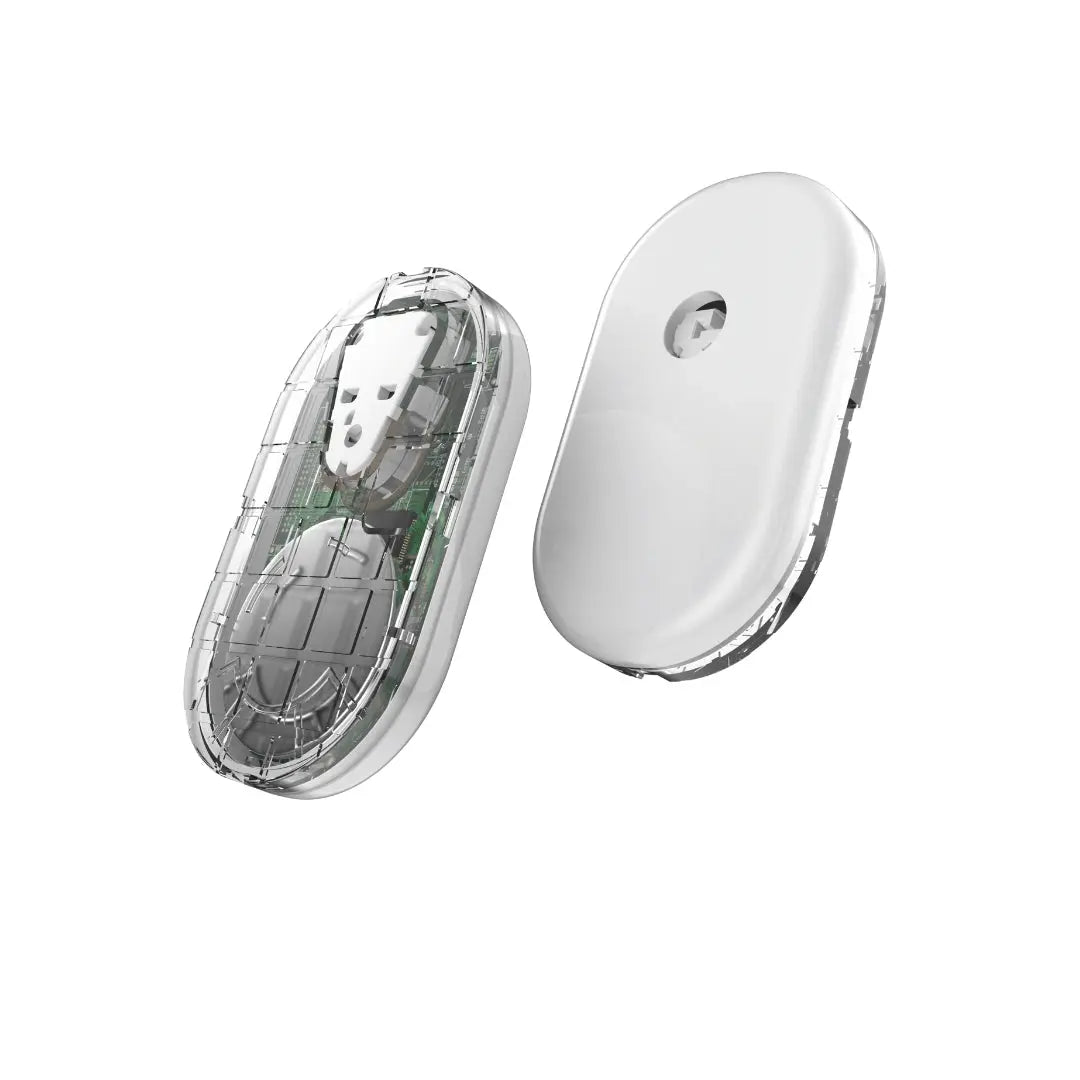
Modern diabetes technology, including Continuous Glucose Monitoring (CGM) systems, has made diabetes management easier and more accurate.
GS1 CGM
Risk Factors for Type 2 Diabetes
Several factors increase the risk of developing Type 2 diabetes:
- Obesity or excess weight
- Sedentary lifestyle
- Poor diet
- Family history
- High blood pressure
- Smoking
- Age
The Centers for Disease Control and Prevention (CDC) diabetes prevention guide highlights the importance of healthy lifestyle choices in reducing diabetes risk.
Can Diabetes Be Managed Successfully?
Yes. With proper monitoring, healthy habits, medication adherence, and regular medical care, many people with diabetes live healthy and active lives.
Important Diabetes Management Tips
- Monitor blood sugar regularly
- Follow a healthy diet
- Stay physically active
- Take medications as prescribed
- Attend routine medical checkups
- Manage blood pressure and cholesterol
Understanding the difference between Type 1 vs Type 2 diabetes is essential for early diagnosis, proper treatment, and better long-term health outcomes.
While Type 1 diabetes is an autoimmune condition requiring lifelong insulin therapy, Type 2 diabetes is often linked to lifestyle and insulin resistance. Both conditions require consistent monitoring and proactive care to reduce complications and improve quality of life.
At Berflow, we support better diabetes care through reliable health monitoring solutions designed to help individuals take control of their health with confidence.

