


Hypertension and Type 2 Diabetes are no longer “older people’s diseases.” New health data shows that millions of young adults under 40 are living with dangerously high blood pressure or elevated blood glucose without knowing it.
Because these conditions rarely show symptoms early on, they silently damage the heart, kidneys, eyes, and blood vessels for years before being detected.
Even more concerning: lifestyle habits common among young people, irregular sleep, high-sodium diets, sugary foods, long hours sitting, and stress are accelerating the rise of both conditions.
This blog explores why young people are unaware, the hidden dangers, and how early monitoring, healthy diet strategies, and modern home devices can prevent long-term complications.
Why So Many Young People Are Unaware of Their Risks
1. No Symptoms Doesn’t Mean No Problem
Hypertension and early-stage diabetes rarely present obvious signs. Most young adults assume they are “too young” to have these issues, leading to late diagnosis.
2. Lifestyle & Dietary Patterns
Highly processed foods, alcohol, energy drinks, and fast meals contribute to rising blood pressure and poor glucose control, especially when combined with low physical activity.
3. Lack of Regular Health Checks
Young adults seldom visit the hospital for routine screenings, leaving early warning signs undetected for years.
4. Family History & Genetics
People with a family history of hypertension or diabetes are at higher risk, even if they feel healthy.
The Hidden Dangers: What Happens When Hypertension + Diabetes Go Untreated
When high blood pressure and poor glucose control coexist, they multiply the risk of:
-
Heart attack
-
Stroke
-
Kidney failure
-
Vision loss
-
Nerve damage
-
Early cardiovascular mortality
This deadly combination is often called the “silent duo” because it damages the body slowly and unnoticed.
Reference:
American Heart Association – Why young adults should take BP seriously
https://www.heart.org/en/health-topics/high-blood-pressure
Why Early Monitoring Is Critical — Especially for Young Adults
✔ Home Blood Pressure Monitoring
With a reliable device like the
Digital Automatic Upper Arm Blood Pressure Monitor
Young people can quickly track their BP trends and catch abnormalities early.
✔ Continuous or Frequent Glucose Tracking
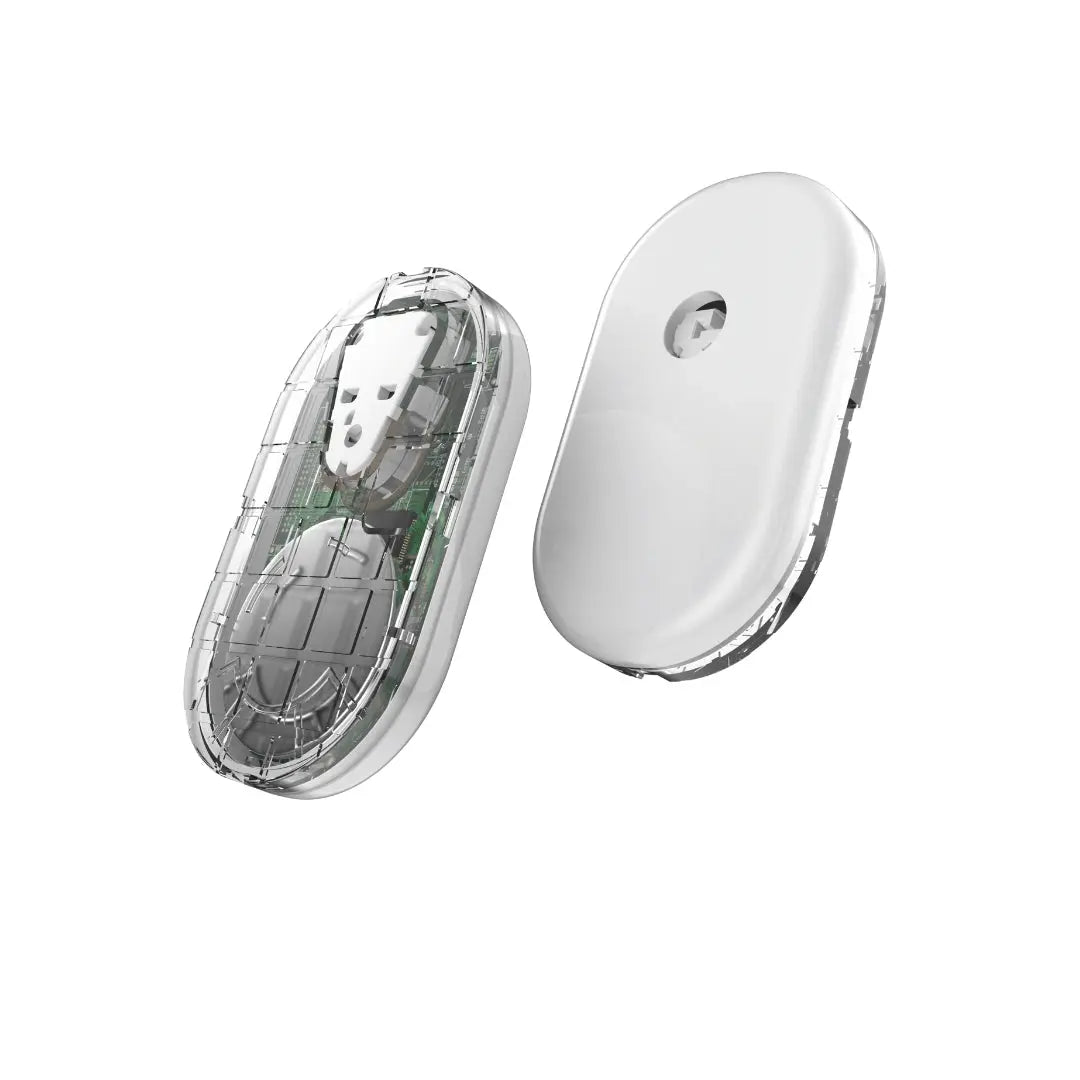
Young adults with family history, obesity, PCOS, or high-stress lifestyles benefit from monitoring their glucose patterns.
Explore CGM & glucose tools here:
Berflow Health Monitoring Devices
Diet Strategies That Improve Blood Pressure & Heart Health
Young adults can reverse early hypertension and prediabetes with simple nutrition strategies.
1. The DASH Diet for Diabetes & Blood Pressure
The DASH (Dietary Approaches to Stop Hypertension) diet, rich in vegetables, whole grains, low-fat dairy, and lean proteins, reduces BP and improves glucose stability.
Reference:
National Institutes of Health – DASH Diet Guide:
https://www.nhlbi.nih.gov/education/dash-eating-plan
2. Reduce Sodium Intake
Too much salt increases blood pressure quickly. Switch to low-sodium alternatives and read food labels.
3. Lower Sugar & Refined Carbs
This improves glucose control, helps with weight management, and protects heart health.
4. Increase Potassium-Rich Foods
Bananas, spinach, avocados, and sweet potatoes naturally reduce blood pressure.
How Modern Home Devices Help Young Adults Stay Ahead
1. Digital BP Monitors
Provide real-time blood pressure trends and early detection of abnormalities.
Berflow Upper Arm BP Monitor
2. Digital Thermometers
Useful for detecting fever linked to infections and diabetes-related complications.
Thermometers for Home Use
3. Glucose Monitoring Solutions
Help identify sugar spikes, especially after meals or stress.
4. Lifestyle Tracking Apps
Improve accountability for diet, sleep, and activity.
When Should Young Adults Get Screened?
Doctors recommend:
-
Blood pressure: at least once every 6–12 months
-
Blood sugar (fasting or HbA1c): annually for those at risk
-
Cholesterol: every 3–5 years
-
More frequently if overweight, stressed, or with a family history
Awareness Is Protection
Hypertension and Type 2 Diabetes are rising rapidly among young adults not because the conditions are new, but because they often go unnoticed.
The good news? They are preventable, manageable, and even reversible when detected early.Healthy diet strategies (like the DASH diet), home monitoring devices, and regular screening can significantly reduce long-term complications.

